
Sea
Mar 11, 2026
Three Ships Struck by Projectiles Near the Strait of Hormuz: A Deepening Maritime Security Crisis
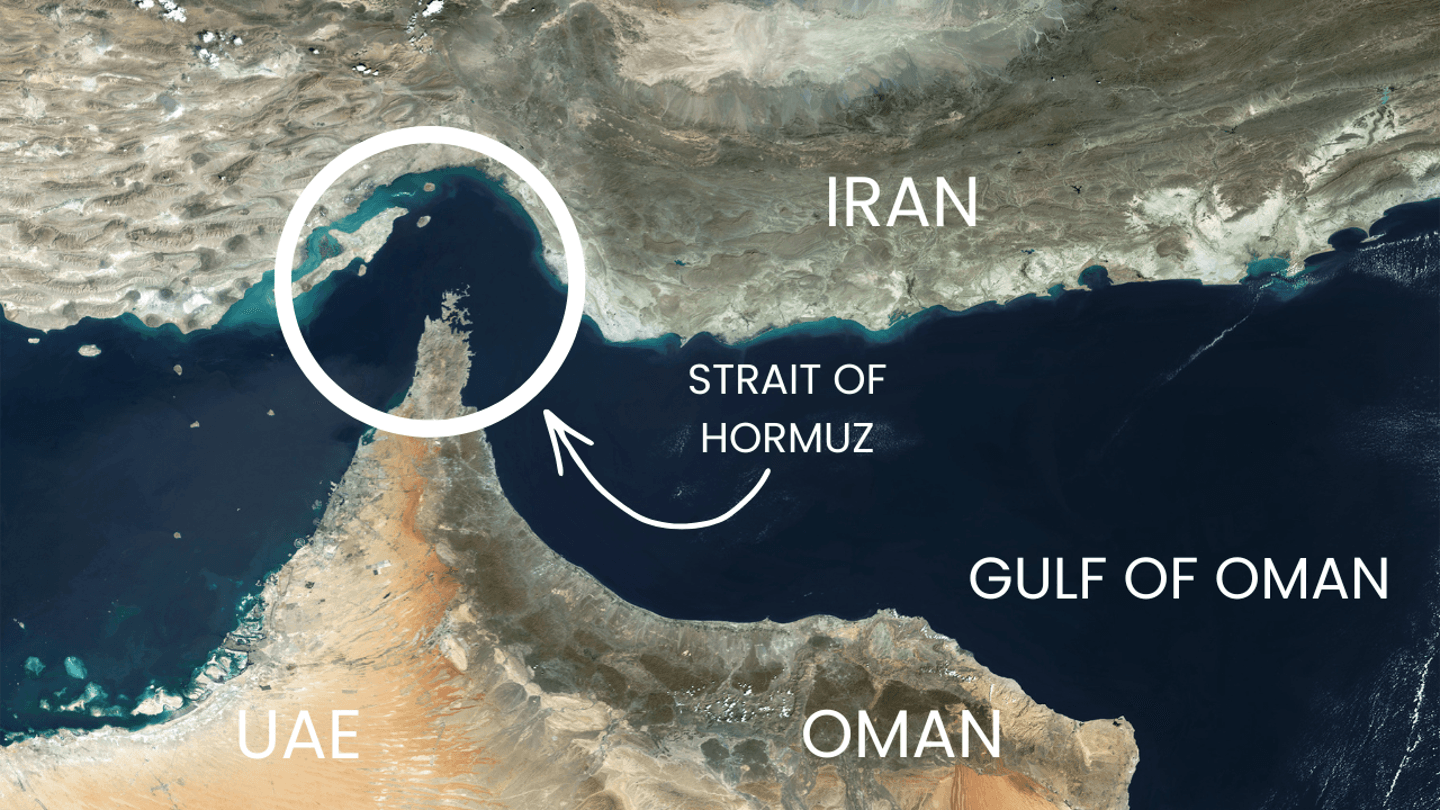
At least three commercial vessels were struck by projectiles this morning near the Strait of Hormuz, one of the world's most critical shipping corridors.
The incidents occurred amid rapidly escalating regional conflict, with maritime authorities warning operators to exercise extreme caution. According to the United Kingdom Maritime Trade Operations (UKMTO), the attacks happened in separate locations spanning waters north of Oman and northwest of Dubai. [nbcnews.com], [cnbc.com]
Details of the Attacks
Early reports indicate that one vessel—later identified as the Thailand‑flagged Mayuree Naree—was hit approximately 11 nautical miles north of Oman, resulting in a significant onboard fire and forcing crew evacuation. Images released by Thai authorities showed the vessel engulfed in smoke as emergency response teams attempted to stabilize the situation. [cnbc.com], [newsweek.com]
A second vessel, the Japanese container ship ONE Majesty, sustained minor damage about 25 nautical miles northwest of Ras Al Khaimah, in the United Arab Emirates. Maritime security sources report that all crew members are safe, and inspections showed only localized damage above the waterline. [thehill.com], [usnews.com]
The third vessel, the Marshall Islands‑flagged Star Gwyneth, was struck approximately 50 nautical miles northwest of Dubai. According to UKMTO, the ship’s crew also remained safe, though further assessments are underway. [thehill.com], [independent.co.uk]
Wider Conflict and Strategic Importance
These incidents unfolded as the Strait of Hormuz remains effectively closed due to ongoing conflict between Iran, the U.S., and regional actors. Roughly 20% of the world’s oil and gas supply typically passes through this narrow waterway, meaning any disruption has immediate global implications. Over 150 vessels have been stranded since the closure began on March 1, compounding supply chain delays and driving energy prices upward. [thehill.com], [newsweek.com]
Regional tensions escalated further overnight, with Iran launching what it described as its “most intense strikes” since the start of hostilities, while U.S. Central Command confirmed the destruction of 16 Iranian minelaying vessels in the surrounding waters. Both sides have traded warnings, deepening fears of a prolonged and destabilizing maritime conflict. [nbcnews.com], [newsweek.com]
Impact on Global Trade and Logistics
With shipping traffic in the region nearly at a standstill, the repercussions for global trade—particularly energy, petrochemicals, and containerized goods—are significant. Oil prices have already surged, with major market indices reacting sharply to the unrest. Analysts warn that extended closure of the Strait could tighten global supply chains and strain inventories for weeks or even months. [thehill.com], [usnews.com]
Logistics and maritime security experts are advising carriers to reroute traffic where possible, though alternative paths add thousands of miles and substantial costs. UKMTO continues to urge maximum caution and real‑time reporting of any suspicious activity in the area. [cnbc.com]
Looking Ahead
Today’s attacks underscore the vulnerability of global maritime infrastructure during periods of geopolitical instability. As one of the world’s most vital chokepoints, the Strait of Hormuz remains both strategically indispensable and acutely exposed. With no clear path toward de‑escalation, operators, insurers, and supply chain leaders will need to monitor developments closely and prepare for sustained disruption in the near term. [nbcnews.com], [newsweek.com]