
Road
Mar 16, 2026
The Hidden Machine Behind the Speed: The Logistics of Hauling NASCAR Race Cars
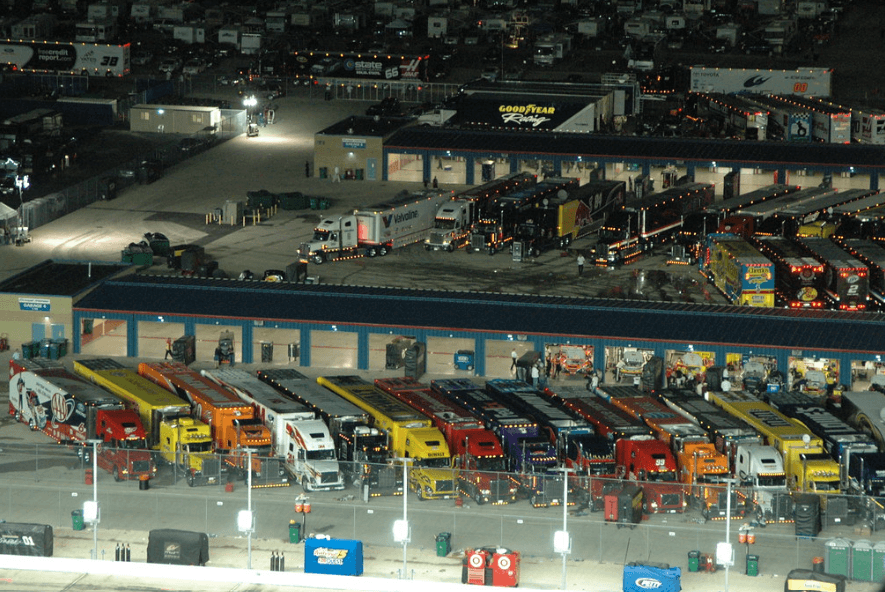
Moving a NASCAR team around the country is one of the most complex transportation operations in American sports.
From highly specialized haulers to long‑haul drivers who spend most of the year on the road, the logistics behind each race require precision planning, significant capital investment, and rigorous coordination. Here’s an inside look at how NASCAR teams haul race cars, what it costs, how often they travel, and who manages the fleet operations.
1. What NASCAR Haulers Do
NASCAR haulers are 53‑foot, double‑deck semi‑trailers designed to carry two race cars, tools, spare parts, electronics, and even small workshop spaces and lounges. They essentially act as mobile garages and command centers for the team. [sportskeeda.com]
These transporters are responsible for:
- Moving cars and equipment between race venues
- Serving as mobile workspaces for mechanics
- Housing break rooms, storage, and logistics hubs for team staff
- Ensuring all critical equipment arrives safely and on time
They typically travel fully loaded, often reaching the legal weight limit of 80,000 pounds. [sportskeeda.com]
2. How Many Races Do They Attend?
NASCAR’s Cup Series schedule includes 36 points‑paying races, plus preseason and All‑Star events, totaling about 38 events per season. The 2026 season, for example, runs from February 4 through November 8 across the U.S. [cbssports.com]
This means haulers—and their drivers—must move nearly week after week for nine months straight.
3. How Many Days Are Hauler Drivers on the Road?
Hauler drivers are among the hardest‑working people in NASCAR logistics.
According to Stewart‑Haas Racing’s fleet manager, their haulers spend over 220 days per year on the road, covering around 70,000 miles annually. [cummins.com]
Typical week:
- Leave team headquarters as early as Tuesday to reach the next race track by the weekend.
- Arrive first, unload equipment, set up garages.
- Stay through race day and pack immediately after the checkered flag to return to base. [flowracers.com]
Hauler drivers often don’t even see the race, because they're preparing for the next move. [cummins.com]
4. The Cost of Hauling NASCAR Race Cars
A. Cost of the Hauler Itself
A NASCAR transporter is a major investment. Depending on team budget and specifications:
- $400,000 for a typical NASCAR hauler (tractor + trailer). [sportskeeda.com]
- $600,000 to $1.2 million for fully outfitted premium Cup Series transporters (2025 pricing). [tpautorepair.net]
- Used transporters: $200,000–$500,000. [tpautorepair.net]
Teams often replace haulers every five years. [thesportsrush.com]
B. Operating Costs
While exact annual operating costs vary by team, several factors drive expenses:
- Fuel for ~70,000 miles per year
- Maintenance and repair on both tractor and trailer
- Tires, permits, tolls
- Driver salaries (often two drivers per hauler to meet DOT hours‑of‑service rules)
- Insurance
Though not calculated explicitly in available reports, these costs are substantial and ongoing.
5. Why Haulers Return to Team Headquarters After Every Race
Even when it seems more efficient to go straight to the next track, haulers typically return home between races.
Why? Cars must be reconfigured for each track, and teams need the full resources of their home base to do this. Only there can they alter setups, conduct repairs, or swap out cars and components. [thesportsrush.com]
6. Who Oversees a NASCAR Team’s Haulers?
Within each race team, logistics are managed by a fleet manager who oversees:
- All haulers
- Driver scheduling
- Compliance with hours‑of‑service requirements
- Maintenance and readiness of the fleet
For example, Stewart‑Haas Racing’s hauler operations are overseen by Gary “Bear” Geissman, who manages 16–18 drivers and the team’s entire transporter fleet. [cummins.com]
7. The Life of a NASCAR Transport Driver
NASCAR transport drivers:
- Are first to arrive and last to leave each track
- Load cars, tools, electronics, and even food supplies before departure [cummins.com]
- Navigate cross‑country routes under tight deadlines and varying road/weather conditions
- Assist with garage setup and teardown at events
- Spend most of the racing season living on the road
Their role is essential—without them, the race cars literally couldn’t show up.
Conclusion
Hauling race cars for NASCAR is a massive logistical operation requiring:
- Highly specialized, expensive equipment
- Skilled long‑haul drivers spending 220+ days a year on the road
- A meticulously planned 36‑race national travel schedule
- Dedicated fleet managers ensuring everything runs smoothly
It is a year‑round, high‑pressure, multi‑million‑dollar operation that often goes unnoticed by fans—but without it, the sport couldn’t function.