
Freight
Feb 10, 2026
A Turning Point in Bilateral Trade: India's New Tariff Framework with the United States
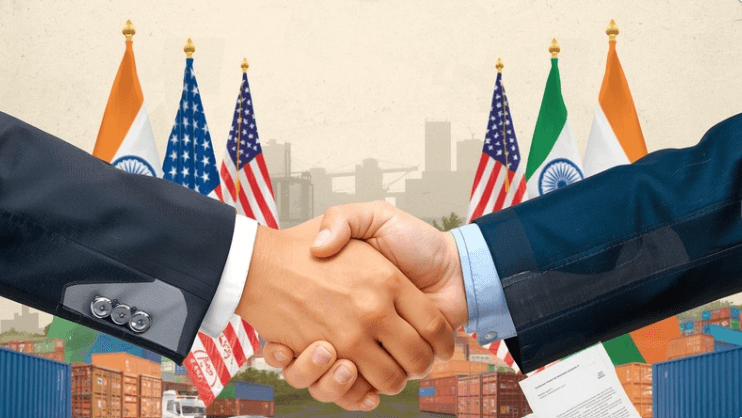
Throughout 2025, India-U.S. trade relations were marked by escalating tariff battles, geopolitical pressures, and prolonged negotiations. By early 2026, the two nations reached a landmark trade agreement that dramatically reduced tariffs, reversing the punitive rates imposed the previous year and reshaping the strategic foundation of the bilateral partnership.
1. The Background: How Tariffs Escalated in 2025
In early 2025, the United States—under President Donald Trump—imposed a 25% “reciprocal tariff” on several Indian imports. Talks progressed unevenly, but by August 2025, tensions peaked when the U.S. increased tariffs to a combined 50% (a 25% base tariff plus a 25% penalty related to Indian purchases of Russian oil).
[indiatoday.in], [cnbctv18.com]
Washington’s justification centered on India’s continued import of discounted Russian crude and what it viewed as persistent trade imbalances and non‑tariff barriers. New Delhi maintained that its energy decisions were governed by national interest, prompting further strain through 2025.
[cnbctv18.com]
This tariff escalation placed India among the most heavily penalized U.S. trading partners despite its rising strategic importance in the Indo‑Pacific region.
[firstpost.com]
2. Breakthrough in Early 2026: Tariffs Slashed to 18%
On February 2–3, 2026, following a direct call between U.S. President Donald Trump and India’s Prime Minister Narendra Modi, both countries finalized a historic trade deal:
- U.S. tariffs on Indian goods were reduced from as high as 50% down to 18%.
- India agreed to scale back Russian oil purchases and increase imports of U.S. energy, agricultural products, coal, and technology—potentially contributing to $500 billion in bilateral trade flows.
[cnbc.com], [energy.eco...atimes.com]
President Trump also lowered the U.S. “reciprocal tariff” on India from 25% to 18%, while India pledged to reduce its own tariff and non‑tariff barriers on American goods, with some sectors (such as dairy and sensitive agriculture) excluded.
[thehindu.com]
3. India’s Motivations and Strategic Adjustments
India’s willingness to negotiate stemmed from a combination of economic pressures and geopolitical recalibration:
3.1 Safeguarding Export Competitiveness
The 50% punitive tariff had deeply affected key Indian export sectors. A reduction to 18% revived favorable access for:
- textiles
- seafood
- gems and jewelry
- labor‑intensive manufacturing
[thehindu.com]
3.2 Managing Energy Diplomacy
American pressure over Russian oil purchasing intensified throughout 2025.
India gradually reduced its reliance on Russian crude heading into the 2026 negotiations, addressing a key U.S. demand and greasing the wheels for tariff rollback.
[energy.eco...atimes.com]
3.3 Strengthening Strategic Alignment
India sought more stable and predictable trade ties with the U.S.—a crucial partner for supply‑chain diversification, technology access, and geopolitical balancing. Lower tariffs improve India's leverage relative to regional competitors such as China and Pakistan.
[firstpost.com]
4. The U.S. Perspective: Why Washington Relented
For the U.S., the tariff rollback served several strategic purposes:
4.1 Securing Greater Indian Purchases of U.S. Goods
Under the deal, India committed to significantly increasing imports of:
- U.S. oil and gas
- critical minerals
- agricultural commodities
- coal and technology products
[cnbc.com], [energy.eco...atimes.com]
4.2 Countering Russia and China
By pressing India to reduce Russian oil dependence, the U.S. strengthened its broader sanctions policy and global energy strategy.
Simultaneously, deeper U.S.–India trade alignment supports Washington’s Indo‑Pacific goals and supply‑chain diversification.
[firstpost.com]
4.3 Domestic Political Signaling
For the Trump administration, announcing tariff cuts and a “major trade deal” showcased results on both economic and geopolitical fronts, with the White House framing it as a win for American exporters and global stability.
[cnbc.com]
5. Economic and Market Impact
Indian markets reacted strongly:
- Stock indices (Sensex, Nifty) surged nearly 3% after the tariff rollback announcement.
- Export‑driven sectors saw immediate rallies.
[thehindu.com]
The deal also restored business confidence on both sides, ending months of uncertainty and supply‑chain disruptions triggered by the 2025 tariff spikes.
6. What This Means Going Forward
The India–U.S. tariff reset signals a new chapter in bilateral relations:
6.1 Trade Normalization
After a turbulent year, both nations committed to issuing a joint statement and finalizing remaining technical details, marking a long‑term stabilizing shift.
[thehindu.com]
6.2 Bigger Strategic Partnership
Reduced tariffs place India closer to U.S. treaty partners such as Japan and South Korea in tariff treatment, strengthening India’s desirability as an alternative supply‑chain hub.
[firstpost.com]
6.3 Potential For Expansion to a Broader Trade Deal
Negotiators on both sides indicated that the 2026 agreement may set the foundation for a more expansive trade framework in the coming months.
[energy.eco...atimes.com]