
Freight
Feb 25, 2026
FedEx Sues the U.S. for Refunds on Trump-Era Tariffs
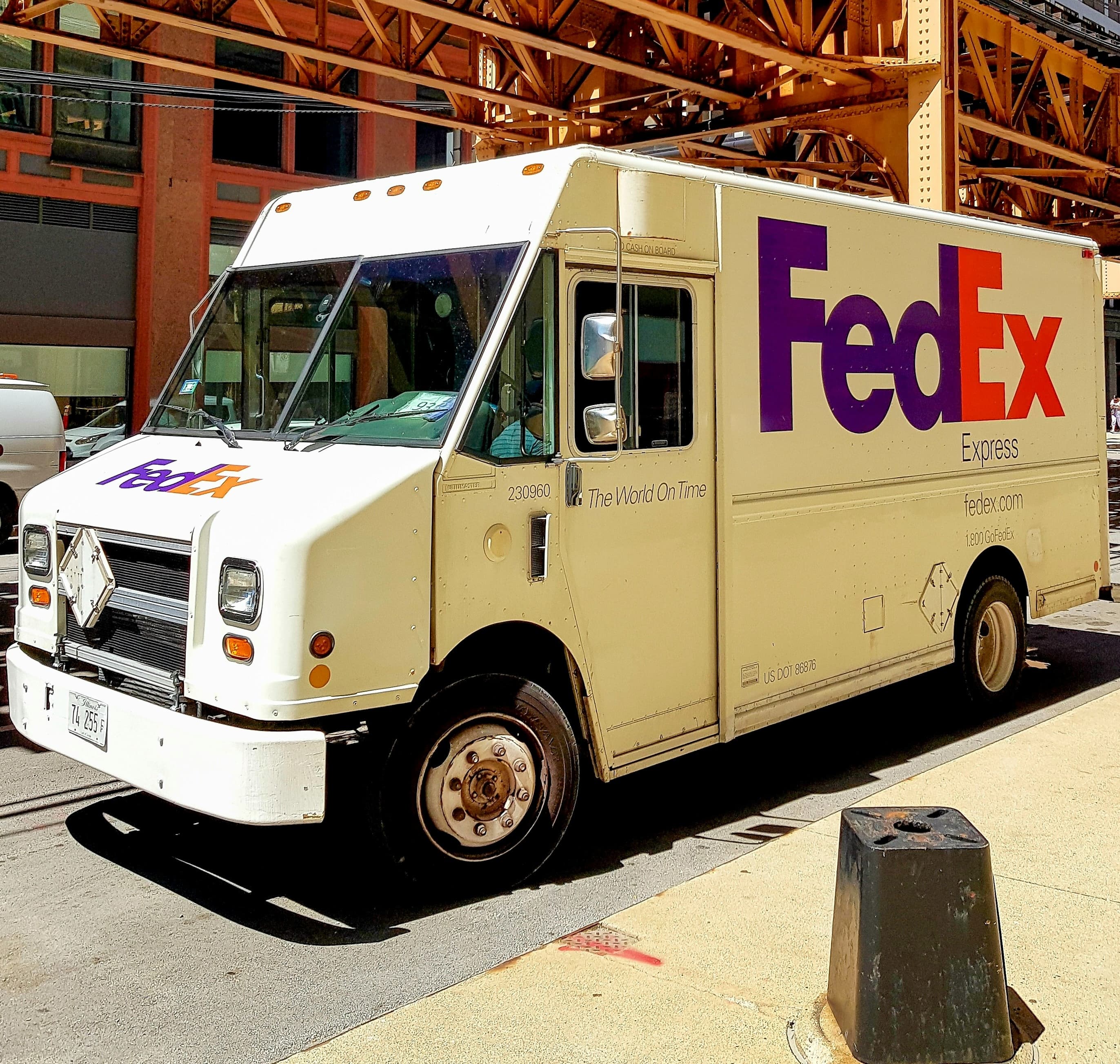
FedEx has officially joined the growing wave of companies suing the U.S. government for refunds of tariffs that the Supreme Court ruled illegal last week. The lawsuit marks a major escalation in corporate efforts to recoup duties imposed under former President Donald Trump's use of the International Emergency Economic Powers Act (IEEPA)—tariffs that the Court found exceeded presidential authority.
FedEx Files Suit After Supreme Court Ruling
On February 23, 2026, FedEx filed its complaint in the U.S. Court of International Trade, seeking a full refund of all duties paid under Trump’s emergency tariff regime. The company argues it “suffered injury” by paying IEEPA‑imposed duties on imports and is asking the court to order U.S. Customs and Border Protection (CBP) to refund all collected tariffs, plus interest. [money.usnews.com], [nbcnews.com]
This lawsuit is significant because FedEx—one of the world’s largest logistics providers—acts as an importer of record for countless shipments, meaning it often pays duties upfront on behalf of customers. The company had warned in earnings reports that the tariffs could cost it up to $1 billion in fiscal 2026. [nbcnews.com]
Although FedEx is not the first company to sue, it is among the first major corporations to file after the Supreme Court’s ruling declared Trump’s IEEPA tariffs unlawful. [cbsnews.com]
Costco Sued Months Earlier—and Helped Set the Trend
FedEx’s move follows Costco’s December 2025 lawsuit, in which the retail giant also sought a full refund of import duties it paid under the same IEEPA tariffs. Costco warned that without its own court judgment, it might not be guaranteed a refund—even if the Supreme Court ruled the tariffs illegal. [nbcnews.com], [abcnews.com]
Costco was one of the earliest large retailers to act. By late 2025, it had moved to join or consolidate nearly two dozen similar lawsuits already pending at the Court of International Trade.
Other major companies that filed even before the ruling include Revlon, Bumble Bee Foods, EssilorLuxottica, Kawasaki Motors, and Toyota‑related firms. [abcnews.com] [inc.com]
Are Other Shippers Likely to Sue?
In short: Yes—many already have, and more are almost certain to follow.
According to multiple reports, hundreds to more than 1,000 companies have filed similar actions in the past year, staking a claim to potential refunds. These include importers of all sizes as well as consumer product brands, food companies, and manufacturers. [abcnews.com], [southflori...porter.com]
Logistics firms specifically—those acting as importers of record—have strong incentives to join the legal wave. FedEx’s lawsuit “could be clearing a path” for other carriers and freight companies seeking compensation for duties they had to pay upfront to move goods through U.S. customs. [ccjdigital.com]
Given the vast scale of tariff collections—estimated between $133 billion and $175 billion in IEEPA‑linked duties—many more companies are expected to file. [pbs.org], [dallasexpress.com]
Will These Companies Actually Get Refunds?
This remains the biggest unanswered question.
No Refund Process Exists Yet
The Supreme Court struck down the tariffs but did not specify how refunds should be handled, leaving an administrative and legal vacuum. Justice Brett Kavanaugh warned that the refund process would likely be a “mess.” [supplychaindive.com], [indianexpress.com]
Lower Courts Will Decide
The Court of International Trade has exclusive jurisdiction over refund decisions. Treasury Secretary Scott Bessent has said the process could take “weeks or months,” with no guarantees about timing or methodology. [dallasexpress.com]
Importers Must File Their Own Claims
Companies are not automatically guaranteed refunds; they need their own lawsuit or judgment to be eligible. Costco’s filings highlight this risk clearly. [abcnews.com]
Refunds Could Still Take Years—or Be Partial
Legal experts warn the process will be protracted and resource‑intensive, particularly for small and mid‑sized importers without teams of trade attorneys. [indianexpress.com]
Final Outlook: What Happens Next?
More lawsuits are coming.
FedEx’s filing signals to the logistics and retail sectors that there is a viable path to seek refunds—one that many are already pursuing. Expect more shippers, importers, and retailers to follow, particularly as legal uncertainty persists.
Refunds are possible—but far from guaranteed.
Even though the tariffs were ruled illegal, no clear federal mechanism exists yet for returning the money. Companies filing early (as Costco did) may have strategic advantages.
The financial stakes are enormous.
With $133–175+ billion potentially in play, the refund issue could reshape trade policy, corporate earnings, and supply chain strategies for years.