
Air
Mar 24, 2026
The 2026 TSA Backlog: The Cause, The Waits, The Ripple Effects on US Airfreight
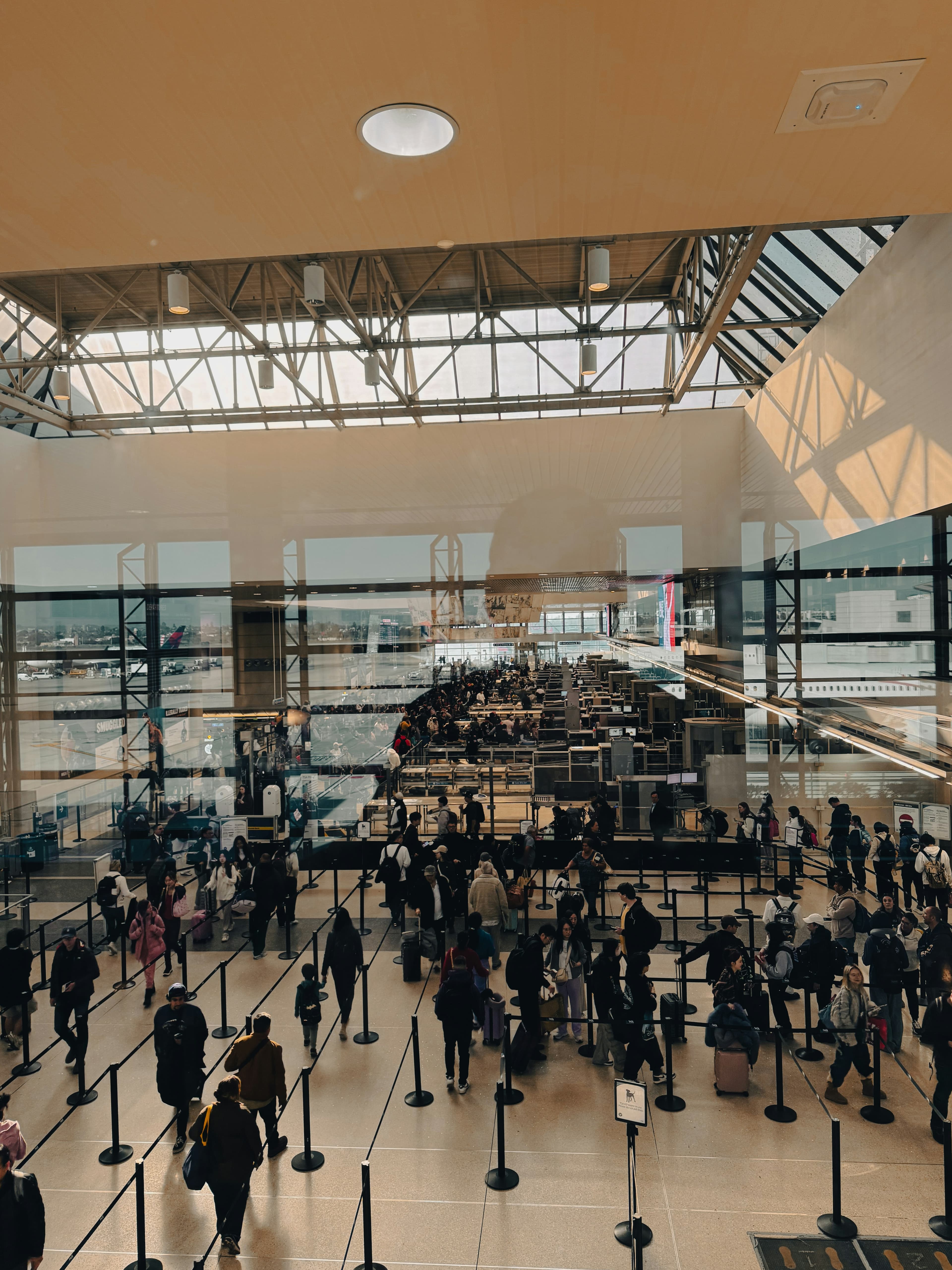
The United States is experiencing one of the most severe periods of Transportation Security Administration (TSA) delays in recent memory.
What began as a partial federal government shutdown in February 2026 has cascaded into widespread staffing shortages, unpredictable checkpoint operations, and hour‑long airport waits. While travelers are bearing the brunt of the inconvenience, the crisis has also begun disrupting the U.S. airfreight market—slowing cargo throughput, delaying deliveries, and tightening capacity across the supply chain.
This article breaks down the causes, the real wait times, and the impact on air cargo nationwide.
How the TSA Backlog Happened
The core driver of the current TSA delays is the partial government shutdown, which left the Department of Homeland Security—including TSA—unfunded and its agents unpaid. Because of this, TSA officers have been calling out at unusually high levels. Reports indicate:
- Up to 10% of TSA agents failed to report to work for several days. [businessinsider.com]
- Some airports saw absence rates averaging as high as 20%. [businessinsider.com]
- DHS confirmed that travelers faced TSA lines up to nearly 3 hours due to the staffing crisis. [newsweek.com]
Aviation security experts note that TSA’s highly cross‑trained workforce means even minor staffing gaps can have major operational fallout. As the shutdown persisted into the spring break travel season—one of the busiest in the U.S.—checkpoint strain intensified to unprecedented levels.
How Long Are the Airport Wait Times?
The answer: wildly unpredictable and ranging from minimal to extreme, depending on city and day.
Examples from the past week (as of March 21–22, 2026):
- Houston (IAH & Hobby):
- Hobby Airport warned wait times could exceed 180 minutes, urging passengers to arrive 4–5 hours early. [newsweek.com]
- George Bush Intercontinental Airport reported significant but somewhat less severe delays. [newsweek.com]
- Atlanta (ATL):
- Wait times commonly exceeded 90 minutes, with over one‑third of TSA staff not reporting on some days. [businessinsider.com]
- Travelers arriving at 3 a.m. were still missing 6 a.m. flights on bad days. [businessinsider.com]
- Houston (IAH) & Other Major Airports:
- Some travelers at IAH faced up to three‑hour waits. [businessinsider.com]
- DC Airports (DCA, IAD, BWI):
- Regional reports confirm longer lines across the area due to the shutdown. [delawareonline.com]
Why Wait Times Aren’t Consistent
With staffing varying by the day—or even by the hour—airports cannot reliably predict throughput. For example:
- Atlanta recorded under 15 minutes one afternoon…
…but multi‑hour lines the day before. [businessinsider.com]
This volatility has made planning extremely difficult for airlines, cargo handlers, and freight forwarders.
How the TSA Backlog Is Disrupting the U.S. Airfreight Market
While passengers feel the delays most directly, air cargo is equally dependent on TSA operations, because:
- All cargo loaded onto passenger aircraft must undergo security screening.
- Many freighters still utilize airport infrastructure that depends on TSA oversight.
The airfreight industry is already signaling concerns:
- The Airforwarders Association warned that the ongoing DHS shutdown raises significant concerns over U.S. cargo operations, as staffing shortages begin to affect the flow of goods through airports. [stattimes.com]
Specific Impacts on the Airfreight Market
1. Slowed Throughput at Major Cargo Hubs
Cargo entering or exiting major passenger‑cargo hybrid airports (e.g., ATL, IAH, ORD, LAX) faces the same bottlenecks as passenger luggage. This creates:
- Longer cargo security screening times
- Delays in tender‑to‑uplift windows
- Disruptions in same‑day and next‑day air freight schedules
2. Reduced Reliability for Shippers
Because screening times fluctuate unpredictably, shippers are experiencing:
- Missed flight cutoffs
- Last‑minute rebooking
- Increased reliance on ground transportation for time‑critical shipments
3. Capacity Tightening on Freighter Networks
As delays mount at passenger terminals:
- Freight forwarders are shifting freight from belly cargo to dedicated freighters or charter aircraft.
- This is tightening capacity on an already‑strained air cargo market, as noted across U.S. freight activity reports. [stattimes.com]
4. Rising Costs Across the Supply Chain
The combination of delayed handling and constrained capacity is driving:
- Higher airfreight rates
- Additional storage and handling charges
- Increased fuel and trucking surcharges as freight is rerouted
Airfreight Outlook for Spring 2026
The U.S. air cargo market—which had recently begun to stabilize from years of pandemic‑era volatility—is now entering another period of turbulence. Analysts already note that the market was in a phase of adjustment and stabilization due to shifting global trade patterns. [stattimes.com]
With TSA delays added to the mix, freight forwarders and logistics providers expect:
- Continued transit time variability
- Extended airport dwell times
- Difficulty securing belly space
- Higher reliance on scheduled freighter operators and charter services
Unless the government funding issue is resolved, the backlog could worsen as summer travel demand ramps up.